When you buy a home in Mallorca, you rarely buy just the house. Often there's more: a pool in the garden, a small casita at the back of the plot, a covered terrace that someone "just briefly" added one day. Lovingly done. Practical. And sometimes not registered.
This isn't a Mallorcan quirk so much as an island tradition: for a long time, plenty was built here that today is officially tricky. As long as no one asks, no one notices – but the moment a sale, financing or insurance is on the table, the questions come. We'd like to show you what we look at on every property before we even put it on the market.
The three classics – and what to watch for
In most cases where we come across unregistered building elements, it falls into one of these three patterns.
1. The pool
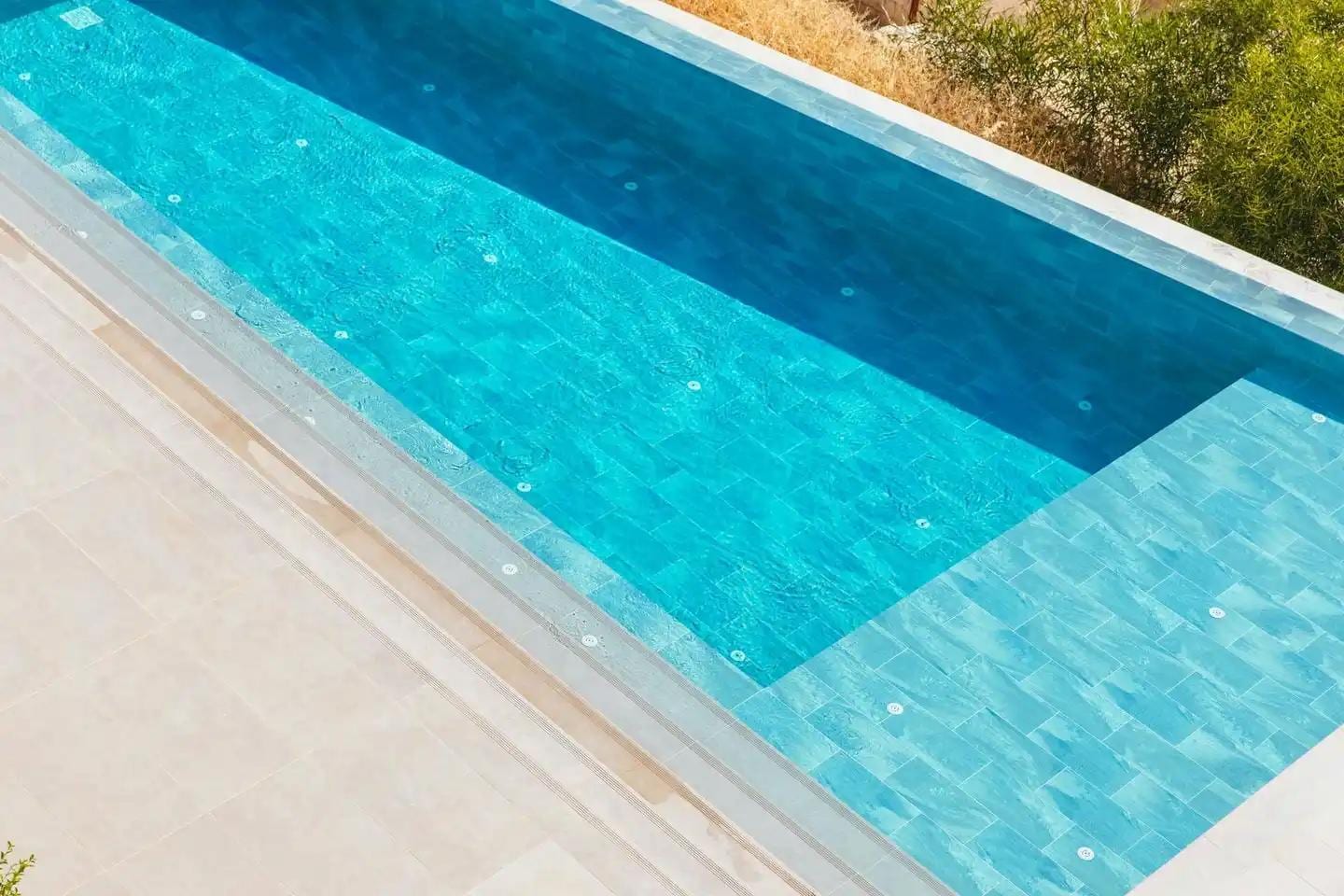
Pools are probably the most common case. Many homes in rural areas (suelo rústico, rural land) have one – and not all are permitted. Sometimes the license is missing entirely, sometimes only the final inspection.
What you should check:
- Is the pool listed in the land registry (nota simple) and in the cadastre (catastro)?
- Is there a building permit – and does it match the actual built state?
- Is there a final inspection (final de obra) and a certificate of habitability (cédula de habitabilidad) that includes the pool?
An unlegalized pool isn't automatically a dealbreaker. But it belongs in the purchase-price calculation – and sometimes in the purchase contract, with clearly assigned responsibilities.
"A pool that isn't in the land registry isn't a drama. A pool that nobody talks about – that is."
– Alec Quandt, advisor for architecture & substance
2. A guest house or casita
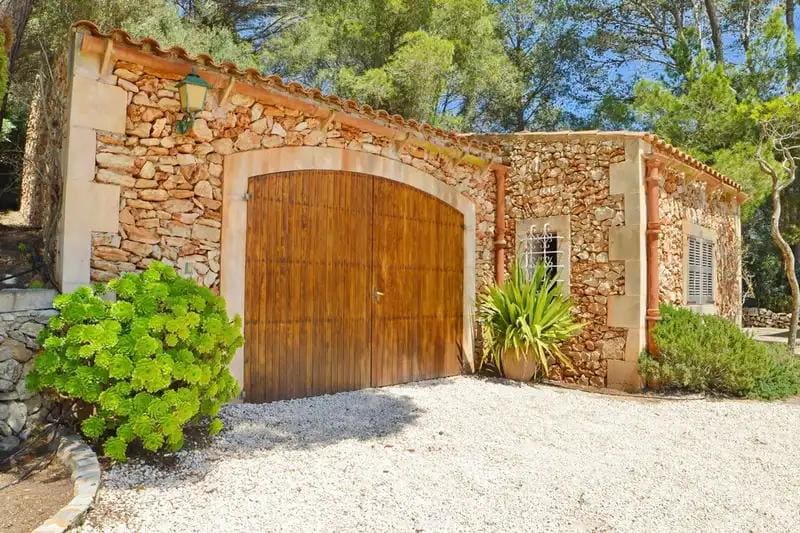
The second large group: separate living structures on the plot. A casita, a guest house, a converted shed with a bathroom. Here the legal picture gets tricky because two issues meet: building volume and residential use.
On rústico land, residential use is strictly regulated. What was built as storage cannot simply be lived in – not even by guests. And the permitted built density is capped: one square meter too many and the extension is formally illegal, even if it's pretty and old.
Before any purchase we recommend:
- Measuring the existing structure against the land-registry and cadastre figures.
- Checking whether the casita actually has a residential permit.
- Clarifying whether legalization is possible – and what it would cost.
3. Extensions to the main house
The third case is the most inconspicuous – and often the most expensive when it surfaces. A covered terrace that became the living room. A shed that's now the guest bathroom. An extension that changed the original shape of the house, without a permit to match.
These cases are rarely visible on the first walk-through. They show themselves only when the land-registry plan and the real home sit side by side – and suddenly don't match.
What to take from this
Illegal extensions aren't a reason not to buy a home. But they're a reason to look very carefully – and to know what you're taking on, before you take it on. In most cases a clean solution can be found that's fair to both buyer and seller.
What we can give you:
- Ask to see the nota simple and the cadastre – before the viewing, not after.
- Ask specifically about licencia de obras (building permit), final de obra (final inspection) and cédula (certificate of habitability).
- Bring an architect into the due diligence. One appointment is often enough.
- Bring along an honest advisor who doesn't soften risks but names them.
If you're currently checking a home and are unsure whether everything is clean, write to us. We'll look at it with you – no signature required.
Need a second opinion on a property?
Send us whatever paperwork you have. We'll tell you honestly what we see – and what we should still clarify together before you sign.